What Year Jeep Compass Should You Avoid? 2007, 2018 and More

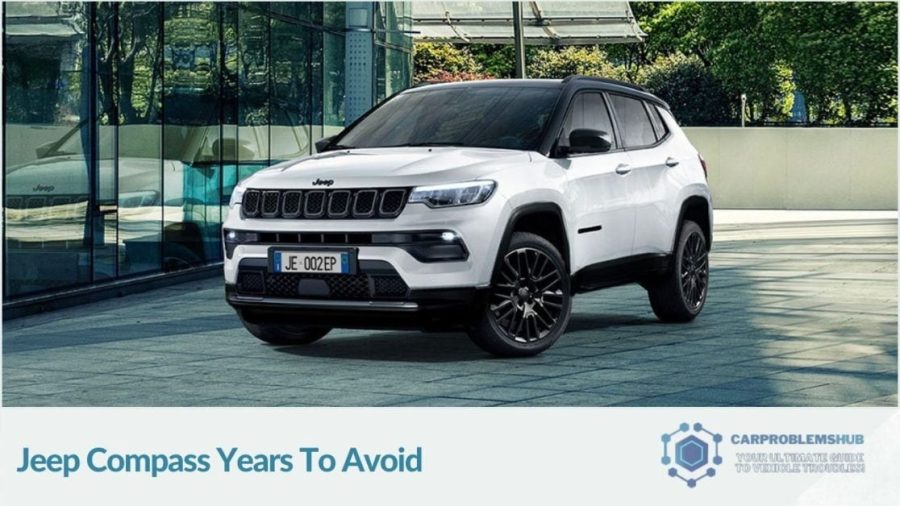
The short answer: avoid the 2007 and 2018 Jeep Compass unless you have an exceptionally well-documented inspection and repair history to justify the risk. Beyond those two, complaint-based analyses also flag 2014, 2016, 2017, 2019, 2020, and 2022 as years requiring deeper screening before you hand over any money.
That said, no model-year label tells the full story. A 2018 Compass with completed recalls, clean title, fresh service records, and a passed independent inspection can be a better buy than a “good year” Compass with hidden rust and skipped maintenance.
This guide turns the reliability question into a repeatable buying process so you can evaluate the specific vehicle in front of you.
Which Jeep Compass Years Should You Avoid?
Not all flagged years carry equal risk. The table below separates the highest-caution years from the ones that simply need extra scrutiny.
| Model Year | Recommended Treatment | Main Reason for Scrutiny |
|---|---|---|
| 2007 | Highest caution | Suspension, steering, electrical, and corrosion concerns |
| 2014 | Inspect carefully | Electrical and engine-related complaint severity |
| 2016 | Inspect carefully | Elevated complaint severity in reliability datasets |
| 2017 | Inspect carefully | Electrical and transition-year concerns |
| 2018 | Highest caution | Engine-stalling, powertrain complaints, multiple recalls |
| 2019 | Inspect carefully | Flagged by complaint-based analysis |
| 2020 | Inspect carefully | Flagged by complaint-based analysis |
| 2022 | Inspect carefully | Elevated complaint signal in model-year analysis |
| 2021, 2023–2025 | Compare selectively | Rated more favorably, but less long-term failure data |
Highest-Caution Years: 2007 and 2018
These two years generate the strongest and most consistent warnings across reliability sources. The 2007 Compass belongs to the first generation, a platform widely criticized for mechanical and structural weaknesses. The 2018 model introduced the second generation to North America but arrived with powertrain problems and a high recall count that damaged its early reputation.
Additional Years to Investigate: 2014, 2016, 2017, 2019, 2020, and 2022
These years appear in complaint-severity databases but don’t generate the same universal red flags as 2007 or 2018. Treat them as inspection-intensive choices rather than automatic dealbreakers.
Why No Model Year Can Be Judged by Complaint Count Alone
Raw complaint totals reflect sales volume, vehicle age, and driver behavior as much as actual defect rates. NHTSA safety complaints are useful directional evidence, not controlled reliability studies. Always weigh complaint data alongside the specific vehicle’s condition.
Why the 2007 Jeep Compass Is a High-Risk Used Buy
The 2007 was the first model year for the Compass. First-year production vehicles often carry unresolved engineering weaknesses, and this one delivered several.
Suspension and Steering Concerns
Reports from 2007 owners frequently cite control-arm wear, suspension mount failures, and steering looseness. These aren’t minor annoyances. Suspension failures at highway speed create genuine safety risks, and replacement costs can exceed $1,500 depending on how much corrosion has spread to surrounding hardware.
Electrical Faults and Corrosion
Electrical gremlins—intermittent starting, lighting failures, and instrument-cluster faults—appear regularly in 2007 complaint data. Subframe and underbody corrosion compounds the problem. Salt-belt vehicles from colder states often show advanced rust at the suspension mounts and structural seams by now, well over 15 years later.
What to Inspect Before Considering a 2007 Model
Require a full underbody inspection before entertaining a 2007. Look at the subframe, control-arm mounting points, brake lines, and any area where fresh undercoating may be hiding active corrosion. A replacement control arm does not fix compromised mounting steel.
Why the 2018 Jeep Compass Deserves Extra Caution
The 2018 model year is the one most reliability sources agree on. It’s the one to avoid most strongly among second-generation Compass vehicles.
Engine-Stalling and Powertrain Complaints
Engine shutdown while driving is the defining complaint for this year. Owners report unexpected stalling in traffic—a safety issue that goes well beyond inconvenience. Some complaint patterns are more concentrated in AWD configurations, but the problem isn’t limited to a single drivetrain. The volume and severity of these reports set 2018 apart from neighboring years.
Recall Status and Software Updates
The 2018 Compass accumulated multiple recalls in its early years of production. You can review the Jeep Compass recall history by year to compare recall counts across model years. Recall completion doesn’t guarantee that all stalling-related issues are resolved, but an uncompleted recall on a 2018 is a serious red flag.
2018 Test-Drive Warning Signs
Watch for hesitation off the line, rough or delayed upshifts, warning lights, unexpected emergency-brake activation, and any stalling at idle. These symptoms warrant immediate disqualification, not a lower price offer.
Other Jeep Compass Years That Need Careful Screening
These years don’t carry the same urgency as 2007 or 2018, but they aren’t clean slates either.
2014 and 2016: Electrical and Engine-Related Concerns
Complaint-severity analysis identifies both years for electrical and engine-related issues above the model-line average. The 2014 Compass sits in the middle of the first generation, a period when the platform had known weaknesses. The 2016 shows elevated complaint severity that doesn’t match the calendar-year improvement you’d expect.
2017: Transition-Year Inspection Priorities
The 2017 Compass sits at the end of the first generation, one year before the full second-generation redesign. Reliability datasets flag electrical and powertrain concerns. Don’t assume the approaching redesign means Jeep resolved all first-generation issues in the 2017 build.
2019, 2020 and 2022: Why Databases Disagree
These years appear in some complaint-based analyses but not all. The evidence and severity vary by source methodology. The safest approach is to evaluate the individual VIN, mileage, drivetrain, service history, and recall completion status for any of these years rather than dismissing or approving them based on a single dataset.
How to Check a Used Jeep Compass Before Buying
This is where model-year knowledge becomes a real buying process. Follow each step in order.
Step 1: Run the VIN Through Official Recall Resources
Check the Jeep Compass VIN for open recalls before you schedule a test drive. Open recalls mean known safety defects haven’t been repaired. Confirm completion status, not just recall existence. Save any documentation from the dealership or repair shop. A “no open recalls” result doesn’t equal a reliable vehicle—it means known safety campaigns are resolved.
You should also cross-reference Jeep Compass recalls by model year on RepairPal to check historical recall patterns for the specific year you’re considering.
Step 2: Review the Vehicle History
Use a service like Carfax or AutoCheck to examine title status, accident history, odometer readings, ownership count, and auction appearances. Repeated auction listings, salvage or rebuilt titles, and flood damage markers are automatic disqualifiers. Compare reported mileage with service invoice dates and odometer entries.
Step 3: Inspect the Underbody
Get underneath the vehicle. Look at the subframe, suspension mounts, control arms, brake lines, and structural seams for active rust. Fresh undercoating applied in unexpected areas is a warning sign—it may be hiding corrosion. Check for fluid leaks under the engine, transmission, and differential.
Step 4: Perform a Cold Start
Insist on a cold start. Ask the seller not to warm up the engine before your arrival. Listen for rattling, knocking, extended cranking, rough idle, or warning lights during the first 30 seconds of running. A seller who refuses or claims the engine “needs to warm up first” is telling you something important.
Step 5: Complete a Long Road Test
Test city stop-and-go, highway speeds above 60 mph, uphill acceleration, firm braking, reversing, and tight turns. Watch for stalling, hesitation, harsh or delayed shifting, drivetrain vibration, and steering looseness. Test every electronic system: climate control, infotainment, backup camera, windows, locks, lights, and driver-assistance features. If you’re looking at a 2018 or another flagged year and it stalls once during the test drive, stop and walk away.
During ownership, issues like reduced engine power can also trigger limp mode—so familiarize yourself with how to get a Jeep Compass out of limp mode if you encounter that during your test drive or after purchase.
Step 6: Pay for an Independent Inspection
This step is non-negotiable. Hire a mechanic with no connection to the seller. Request a full diagnostic scan for stored and pending fault codes, plus a physical inspection of the engine, transmission, suspension, brakes, and structure. Ask for a written repair estimate covering immediate needs and likely near-term items. If the seller refuses to allow an independent inspection, walk away without negotiating.
What Problems Should You Watch for on a Jeep Compass?
Knowing the common failure categories helps you ask sharper questions before and during the test drive.
- Engine: Stalling, overheating, rough idle, extended cranking, and warning lights
- Electrical: Intermittent starting, dashboard faults, lighting failures, and infotainment lockups
- Suspension: Clunking, uneven tire wear, steering looseness, and control-arm wear
- Corrosion: Subframe rust, corroded brake lines, and compromised suspension mounting points
- Transmission: Hesitation, harsh shifts, delayed engagement, and slipping under load
Problems That Justify a Professional Diagnosis
Transmission hesitation, warning lights with no obvious cause, and intermittent electrical faults all require a diagnostic scan. These problems may be repairable but will affect the vehicle’s value and your repair budget.
Problems That Should End the Purchase Immediately
Engine stalling under any condition, a salvage or rebuilt title, active subframe rust with structural compromise, and a seller who won’t permit an independent inspection are all dealbreakers. Don’t negotiate around these.
Problems That May Be Repairable but Still Affect Value
Worn suspension bushings, minor electrical gremlins, and routine fluid leaks can be repaired—but they belong in your price negotiation. Get the repair estimate in writing from your independent mechanic before you discuss final price.
Are Any Jeep Compass Years Safer Used-Car Choices?
Yes. Some model years come with a comparatively cleaner complaint record. The 2021, 2023, 2024, and 2025 Compass models appear more favorably in reliability datasets. The Jeep Compass used-car buying guide on CarGurus also provides broader context on generation differences and which trim configurations tend to perform best in long-term ownership.
Newer model years carry less long-term failure data by default. A 2023 may have fewer complaints simply because it hasn’t been on the road long enough to accumulate them. Treat “best year” labels as a starting filter, not a guarantee.
The individual vehicle always outweighs the model-year average. A well-maintained 2021 with complete service records, zero accidents, and a passed inspection beats a poorly maintained 2024 with skipped oil changes and unresolved warning lights every time.
Common Mistakes When Buying a Used Jeep Compass
These are the errors that turn a borderline vehicle into an expensive regret.
- Choosing the cheapest option without calculating likely repair costs against the savings
- Trusting a dealership inspection as a substitute for your own independent mechanic
- Checking only recall status while ignoring service records, complaint history, and maintenance gaps
- Buying based on mileage alone — a 70,000-mile Compass with skipped oil changes is worse than a 110,000-mile example with full documentation
- Treating a clean vehicle-history report as proof that no mechanical problems exist — history services report what’s been recorded, not what hasn’t
- Skipping the cold start and full test drive because the price seemed low enough to justify the risk
Jeep Compass Years to Avoid: FAQ
Is 2018 the worst Jeep Compass year?
It’s the most consistently identified problematic year. Engine-stalling and powertrain complaints set it apart, and its early recall count was high. That said, a 2018 with completed recalls, documented service history, and a clean independent inspection is a different proposition than one with open recalls and stalling symptoms.
Should I avoid every 2007 Jeep Compass?
Extreme caution is warranted. The combination of suspension, steering, electrical, and corrosion concerns from the first model year makes this a high-risk purchase without a thorough structural and mechanical inspection. Budget for that inspection before committing.
Are 2014 and 2016 Jeep Compass models bad?
They’re flagged by complaint-severity analysis, but neither carries the same clear evidence trail as 2007 or 2018. Evaluate the specific vehicle. A 2014 with full maintenance records and a clean underbody is a different risk than a 2014 with unknown service history and surface rust everywhere.
Is a Jeep Compass with no open recalls safe to buy?
No. Recall completion addresses known safety campaigns from the manufacturer. It doesn’t cover wear, neglect, hidden corrosion, accident damage, or any defect that wasn’t the subject of an official recall. Always pair the recall check with an independent inspection.
What’s the safest way to buy a used Jeep Compass?
Choose a vehicle with complete service records, verify the VIN for recalls and history, perform a cold start and full test drive, arrange an independent mechanical inspection, and walk away from any vehicle with unresolved stalling, structural rust, or a seller who refuses inspection access.
Final Buying Recommendation
Avoid the 2007 and 2018 Jeep Compass as your default position. The documented risk is high enough that only exceptional inspection results and repair history should change that stance. For 2014, 2016, 2017, 2019, 2020, and 2022, apply intensive screening rather than automatic rejection.
Here’s your pre-purchase checklist to save before viewing any used Compass:
- VIN recall check completed at NHTSA and cross-referenced with RepairPal
- Vehicle history report reviewed for title, accidents, and odometer consistency
- Cold start performed — engine not pre-warmed by seller
- Underbody inspected for subframe rust, brake-line corrosion, and suspension mount condition
- Extended test drive covering city, highway, hills, braking, reversing, and tight turns
- Independent mechanic inspection completed with diagnostic scan and written repair estimate
- All open recalls confirmed as completed with documentation
- No stalling, no structural rust, no refused inspection access
For most buyers, a 2021 Compass with full service records, a clean title, and a passed independent inspection is the lowest-risk choice among used Compass options. Start there, use this checklist, and don’t compromise on the independent inspection — regardless of price.