How to Jump a Jeep Compass: Step-by-Step Safety Guide 2026

Picture this: You’re running late for work, or maybe you’re meeting friends for dinner, and your Jeep Compass won’t start. That familiar clicking sound tells you everything you need to know – your battery is dead. It’s frustrating, but it happens to all of us.
Jump-starting your Jeep Compass isn’t rocket science, but doing it wrong can cause serious injury or expensive electrical damage. Modern vehicles like the Compass have sensitive electronic systems that don’t forgive mistakes. One wrong cable connection can fry your ECU, damage your alternator, or worse – cause a battery explosion.
Whether you’re planning your next happy hour outing with friends from Eat Out Pro or heading to work, a dead battery shouldn’t derail your plans. The good news? Jump-starting a Jeep Compass follows a straightforward process that works across all model years from 2016 to 2025.
This guide covers everything you need to know: proper safety procedures, the exact step-by-step process, troubleshooting tips, and when to call for professional help. By the end, you’ll have the confidence to safely jump-start your Compass and get back on the road.
Key Takeaways
- Jump-starting a Jeep Compass requires specific safety procedures to prevent injury and electrical damage
- The battery location remains consistent across 2016-2025 model years, making the process standardized
- Proper cable connection order and grounding techniques are critical for safe jump-starting
- Professional assistance should be sought if the battery appears frozen or visibly damaged
- Post-jump maintenance includes running the engine 15-30 minutes to properly recharge the battery
Understanding Your Jeep Compass Battery System
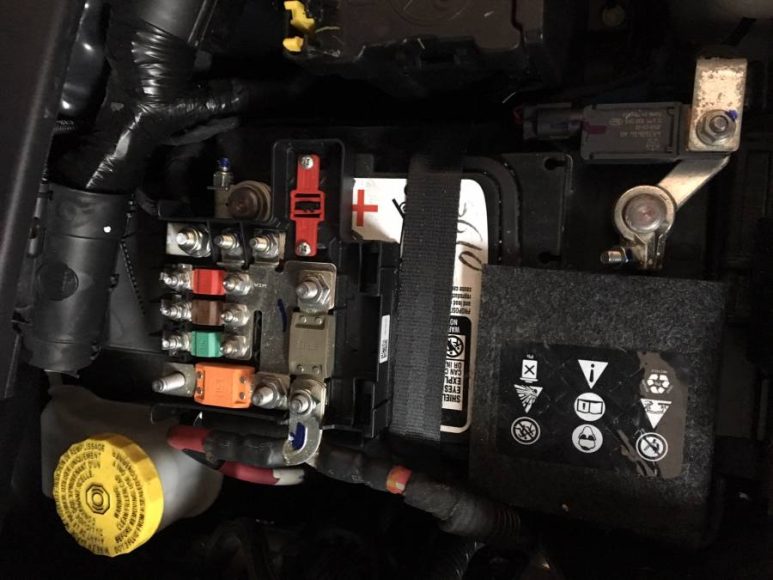
Your Jeep Compass battery sits in the same spot regardless of whether you drive a 2016 or 2025 model. You’ll find it on the driver’s side under the hood, positioned at the front of the engine compartment. This consistency makes the jump-starting process standardized across all Compass generations.
The Compass uses a 12-volt electrical system with sophisticated electronic components. Unlike older vehicles that could handle rough treatment, your Compass has sensitive modules that control everything from the engine to the infotainment system. These components require clean, stable power to function properly.
Recognizing when your battery needs a jump versus when it needs replacement saves time and prevents damage. A battery that cranks slowly or clicks once might just need a jump. But if you hear rapid clicking or complete silence when turning the key, you might be dealing with a more serious electrical issue.
Essential Safety Precautions Before You Start
Safety isn’t optional when jump-starting any vehicle. Car batteries produce hydrogen gas during operation, which is highly explosive. Battery-related accidents cause thousands of injuries annually when safety procedures aren’t followed properly.
Start with personal protective equipment. Wear safety gloves and goggles to protect against acid splashes and sparks. Remove all jewelry, especially rings and bracelets that can create dangerous electrical connections if they contact battery terminals.
Inspect your battery before connecting anything. Never attempt to jump-start a battery that’s frozen, cracked, or leaking. A frozen battery can explode when current is applied. Look for ice crystals around the case or a swollen appearance. If the battery case shows any cracks or you smell sulfur (rotten egg odor), stop immediately and call for professional help.
Position both vehicles so their batteries are as close as possible without the vehicles touching. Set the parking brakes on both vehicles and turn off all electrical accessories – lights, radio, air conditioning, everything. These devices create an additional electrical load that makes jump-starting harder and potentially dangerous.
Required Equipment and Tools
Not all jumper cables are created equal. For your Jeep Compass, use cables with 4-gauge wire or thicker (lower gauge numbers mean thicker wire). Thin cables create resistance that reduces effectiveness and generates dangerous heat.
Cable length matters too. You need enough reach to connect both batteries comfortably, but longer cables create more resistance. Eight to twelve feet typically provides the right balance.
Portable jump starters offer an alternative to traditional jumper cables. These battery packs eliminate the need for a second vehicle and reduce connection complexity. Look for units rated for at least 400 cold cranking amps for reliable Compass starting.
Keep work gloves, a flashlight, and your owner’s manual in your emergency kit. Dead batteries never seem to happen in perfect weather or broad daylight.
Complete Step-by-Step Jump-Starting Process
Vehicle Preparation Phase
Park the booster vehicle close enough that jumper cables reach both batteries comfortably without stretching. The vehicles should never touch – metal-to-metal contact can create dangerous electrical paths.
Engage the parking brakes on both vehicles. Put manual transmissions in neutral and automatics in park. Turn off engines, lights, radios, and all other electrical accessories in both vehicles.
Cable Connection Sequence
This sequence is critical. Getting it wrong can damage electrical systems or cause injury.
Step 1: Connect the red (positive) clamp to your Jeep Compass battery’s positive terminal. The positive terminal usually has a red cover or a plus sign marking.
Step 2: Connect the other red clamp to the booster vehicle’s positive battery terminal.
Step 3: Connect one black (negative) clamp to the booster vehicle’s negative battery terminal.
Step 4: Connect the final black clamp to a grounded metal surface in your Compass engine compartment. This ground point must be at least 30 cm (12 inches) from the battery. Good ground points include the engine block, strut tower bolts, or designated grounding studs.
Never connect the final negative clamp directly to your Compass battery’s negative terminal. This creates a spark risk near the battery where hydrogen gas concentrates.
Starting Procedure
Start the booster vehicle and let it run for several minutes. This charges your Compass battery and ensures the booster’s alternator is providing maximum current.
Attempt to jump-start your Compass. Limit cranking to 15 seconds maximum to prevent starter motor damage. If it doesn’t start, wait at least 30 seconds before trying again.
If the first attempt fails, check all cable connections and wait several more minutes for additional charging. Sometimes a deeply discharged battery needs extra time to accept enough charge for starting.
Safe Disconnection Process
Once your Compass starts successfully, disconnect cables in reverse order:
- Remove the black clamp from the Compass ground point
- Remove the black clamp from the booster vehicle’s negative terminal
- Remove the red clamp from the booster vehicle’s positive terminal
- Remove the red clamp from the Compass positive terminal
Keep your engine running throughout the disconnection process. Stopping the engine too soon might leave you with insufficient battery charge for the next start.
| Step | Connection Point | Cable Color | Purpose |
|---|---|---|---|
| 1 | Jeep Compass Battery (+) | Red | Power source connection |
| 2 | Booster Vehicle Battery (+) | Red | Complete positive circuit |
| 3 | Booster Vehicle Battery (-) | Black | Negative circuit start |
| 4 | Jeep Compass Ground Point | Black | Safe circuit completion |
Planning Your Post-Jump Adventures
At Eat Out Pro, I understand that car troubles can disrupt your social plans. Our platform helps you find nearby restaurants with happy hour specials for post-car emergency celebrations.
Browse budget-friendly dining options perfect for unwinding after stressful situations. Discover local establishments where you can meet friends while your alternator recharges your battery during the drive.
Use our comprehensive happy hour database to turn a frustrating day into an opportunity for affordable dining and socializing. Sometimes the best nights start with the worst mornings.
Model-Specific Considerations for Different Compass Years
The beauty of the Jeep Compass design is its consistency. Whether you drive a 2016 first-generation model or a 2025 current generation, the battery location and jump-starting procedure remain virtually identical.
Early 2016-2018 models might have slightly different underhood layouts, but the battery position stays constant. The 2019 refresh brought updated electronics, but the primary electrical system architecture remained the same.
Current 2022-2025 models include additional safety features and more sophisticated electronic modules. These systems make proper jump-starting technique even more important, but they don’t change the basic procedure.
Always consult your specific year’s owner’s manual for any model-specific warnings or recommendations. Jeep occasionally updates procedures or adds safety notes based on field experience.
Common Mistakes and How to Avoid Them
The most dangerous mistake is connecting cables in the wrong order. Connecting negative clamps first or connecting the final negative clamp to the battery creates a spark risk near the hydrogen gas.
Never use the battery’s negative terminal as your ground point. That final connection always produces a small spark, and you want that spark away from the battery where gas concentrates.
Resist the urge to keep cranking if your engine doesn’t start immediately. The 15-second rule protects your starter motor from overheating. Continuous cranking can cause expensive starter damage.
Don’t disconnect cables immediately after starting. Your battery needs time to stabilize, and disconnecting too quickly might cause the engine to stall.
Avoid jump-starting in freezing temperatures if your battery shows signs of freezing. Ice expansion can crack the battery case internally, and applying current to a damaged battery can cause an explosion.
Post-Jump Battery Maintenance and Charging
Successfully jump-starting your Compass is just the first step. Your battery needs adequate charging time to avoid another dead battery situation.
Run your engine for at least 15-30 minutes after jump-starting. This allows your alternator to replace the charge used during starting and begin restoring the battery to full capacity.
Take a drive rather than just idling. Driving creates higher alternator output and charges the battery more effectively than idling alone.
Consider having your battery tested within a few days of jump-starting. Many auto parts stores offer free battery testing that reveals whether your battery can hold a proper charge or needs replacement.
Regular battery maintenance prevents most dead battery situations. Clean corrosion from terminals monthly and check that the battery is properly secured in its tray.
When to Call for Professional Help
Some situations require professional assistance regardless of your confidence level. Never attempt to jump-start a battery that shows physical damage – cracks, swelling, or leaking.
If multiple jump-start attempts fail despite proper technique, you might have alternator problems, starter issues, or severe battery damage. Continuing attempts can cause additional damage to electrical systems.
Modern vehicles include complex electronic modules that can be damaged by improper jump-starting. If you’re uncomfortable with any part of the process, roadside assistance is worth the cost compared to potential repair bills.
Professional jump-starting services have proper equipment and training to handle difficult situations safely. Jeep offers roadside assistance for newer vehicles, and many insurance policies include emergency services.
Troubleshooting Failed Jump-Start Attempts
When jump-starting fails, start with connection verification. Loose or corroded connections prevent effective current flow. Clean battery terminals if you see white or green corrosion buildup.
Cable quality significantly affects success rates. Thin or damaged cables create resistance that limits current flow. If cables feel warm during use, they’re probably too small for effective jump-starting.
Sometimes the problem isn’t your battery at all. A failing alternator might have caused the original dead battery condition. If your battery repeatedly dies after successful jump-starts, have your charging system tested.
Starter motor problems create symptoms similar to dead batteries. If your engine doesn’t crank despite good electrical connections, you might need starter repair rather than battery service.
Cold weather dramatically reduces battery capacity and makes jump-starting more difficult. In freezing conditions, you might need a longer charging time or professional assistance with proper equipment.
Conclusion
Jump-starting your Jeep Compass safely requires attention to detail and proper safety procedures. The process is straightforward, but there’s no room for shortcuts when dealing with automotive electrical systems.
Remember the critical points: proper cable connection order, grounding away from the battery, and never attempting to jump a damaged battery. These safety measures protect both you and your vehicle’s expensive electronic systems.
With this knowledge, you’re equipped to handle dead battery situations confidently. Regular battery maintenance prevents most problems, but when they do occur, you now know how to resolve them safely.
Most importantly, never compromise safety for convenience. If any part of the process feels unsafe or uncertain, professional help is always the better choice. Your safety is worth more than the cost of roadside assistance.
FAQ
Can I jump-start my Jeep Compass with a smaller vehicle like a compact car?
Yes, as long as both vehicles use 12-volt electrical systems. The booster vehicle’s engine size doesn’t matter – it’s the battery and alternator output that count.
How long should I let the booster vehicle run before attempting to start my Compass?
Allow 3-5 minutes of charging time for a moderately discharged battery. Severely discharged batteries might need 10-15 minutes of charging before attempting to start.
Is it safe to use a portable jump starter on my Compass?
Yes, portable jump starters are safe and often easier to use than traditional jumper cables. Ensure the unit is rated for at least 400 cold cranking amps for reliable starting.
What if my Compass starts but dies immediately after disconnecting the cables?
This usually indicates alternator problems or a severely damaged battery. Have your charging system tested immediately – continuing to drive could leave you stranded again.
Can jump-starting damage my Compass’s electronic systems?
Proper jump-starting technique is safe for modern electronics. However, incorrect procedures, especially wrong cable connections, can damage expensive modules. Always follow the exact sequence outlined in this guide.