Jeep Cherokee Won’t Start and Brake Is Locked: Causes & Solutions 2026

Your Jeep won’t turn over, and the brake pedal feels like concrete. This combination of issues creates an urgent problem—you’re stuck. Before you call the dealership or assume the worst, understand that this situation has several identifiable causes, many of which you can diagnose yourself in minutes.
Is It Normal or a Problem?
First, the important distinction: a stiff brake pedal before engine start is completely normal. Modern vehicles use brake boosters powered by engine vacuum or electric systems. Without the engine running, there’s no vacuum assist, so the pedal naturally feels firmer. You should still be able to press it down enough to engage the brake switch.
A locked brake pedal—one that refuses to depress at all or barely moves—signals a mechanical or electrical problem. If your Jeep displays a “Press Brake and Push Start” message and the brake won’t move, something is actively preventing pedal travel. This is abnormal and requires diagnosis.
The key question: Can you physically depress the brake even partially, or is it completely rigid?
Why Your Brake System Controls Starting
Your Jeep requires brake pedal engagement before starting as a safety feature. This system prevents unintended engine starts and protects against accidental vehicle movement. When you press the brake, a switch completes a circuit, signaling the ignition system that the car is stationary.
Modern Jeeps use brake light switches (also called brake pedal sensors) that detect pedal position. Some rely on mechanical switches; newer models use electronic sensors. In push-button start vehicles, this signal is essential. If the vehicle doesn’t detect brake engagement, the ignition won’t respond.
Most Common Cause: Dead or Weak Battery
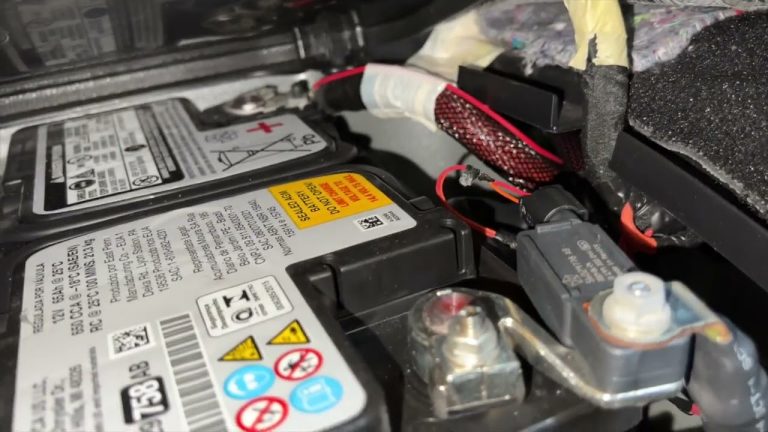
A dead battery accounts for roughly 40 percent of these combined symptoms. When battery voltage drops below critical levels, multiple system malfunctions occur simultaneously: weak starter response, poor electrical assist for brake systems, and failure of the brake switch circuit.
How to check:
- Listen for clicking sounds when you press the start button (rapid clicking indicates a weak battery)
- Observe dashboard and headlight brightness—are they dim or fully bright?
- Turn on the headlights without starting; do they appear normal?
Battery voltage test:
- Use a multimeter to test battery voltage with the engine off
- A healthy battery reads 12.6 volts or above
- A voltage below 12.0 volts indicates a problem
- Below 10.5 volts explains why your brake system isn’t responding
Quick fix: Jump-start the vehicle with jumper cables and another car, or use a portable jump starter. If the Jeep starts and the brake pedal immediately softens, your battery was the culprit. Replace the battery if it’s older than 3–5 years or fails to hold a charge.
Brake Switch and Brake Pedal Sensor Faults
The brake switch is a small component under your steering column that detects when you press the brake pedal. A faulty, misaligned, or corroded switch won’t send the required signal to the ignition system, even though you’re physically pressing the brake.
Signs of a bad brake switch:
- Brake lights don’t illuminate when you press the pedal
- Brake lights stay on continuously (switch stuck)
- The push-start button doesn’t respond when the brake is pressed
- “Depress brake” warning appears even with firm pedal pressure
Testing the brake switch:
- Turn on the ignition (don’t start)
- Press the brake pedal firmly
- Do your brake lights come on? (Check in a mirror or ask someone outside)
- If no lights appear, the switch is likely faulty
What to do: Brake switches are inexpensive ($15–$50 for the part) and straightforward to replace. The switch sits under the steering column near the pedal. Dealerships charge $100–$200 for labor; a mechanically inclined owner can replace it in 30 minutes.
Brake Booster and Vacuum System Problems
Your Jeep’s brake booster multiplies the force you apply to the pedal. It draws a vacuum from the engine through rubber hoses. A vacuum leak, cracked hose, or failing booster creates a stiff or immovable pedal because the boost assist is lost.
Signs of vacuum system failure:
- Extremely hard brake pedal even after the engine starts
- Hissing sound near the brake pedal or under the hood
- The brake pedal feels normal initially, but becomes hard after several presses
- Brake warning light on the dashboard
Where vacuum leaks occur:
- Cracked rubber hoses between the engine and the brake booster
- Loose connections at booster fittings
- Failed diaphragm inside the booster itself (rare)
Inspection steps:
- Open the hood and listen for a hissing sound
- Look for cracks in the rubber brake booster hoses (they’re usually black, thumb-sized tubes)
- Check booster connection points for visible gaps or loose clamps
Solution: Replace cracked hoses (DIY-friendly, $20–$50 and 45 minutes work) or have a mechanic diagnose the booster ($150–$300 for full assessment and repair).
Ignition Lock Mechanism and Push-Button Start Failures
In push-button start Jeeps, the ignition system is electronic. A faulty push-button, damaged immobilizer, or miscommunication between the key fob and vehicle prevents engine start, even if the brake is pressed correctly.
Specific scenarios:
- The button physically clicks but produces no response
- Key fob battery is dead (button won’t respond at all)
- “Key not detected” or “key damaged” warning appears
- Passive entry antenna disconnected or damaged
Key fob troubleshooting:
- Replace the key fob battery (usually CR2032, $3–$5)
- Try holding the fob directly against the push-button while pressing start
- Use the physical key to start the engine (insert into ignition if accessible)
Immobilizer issues:
- Some Jeeps require you to lock and unlock the doors first, then attempt start
- Disconnecting the battery for 15 minutes can reset electronic systems
- Faulty immobilizer modules require dealer diagnostics ($500–$1,000)
Shift Lever Not in Park (Automatic Transmissions)
Automatic Jeeps have an interlock that prevents starting unless the shift lever is fully in Park. If the lever is partially engaged or stuck, the system locks the brake pedal and disables ignition.
Check:
- Is the gear shift lever completely in the “Park” position?
- Press the button on the shift lever and move it firmly into Park
- Try starting again
Some vehicles show a “Shift to Park” message on the dashboard if this is the issue.
Step-by-Step Troubleshooting Guide
Follow this diagnostic flowchart in order:
Step 1: Check the obvious
- Shift to Park (automatic) or Neutral (manual)
- Look under the brake pedal for bunched floor mats or debris blocking pedal travel
- Is the steering wheel locked? Try turning it left and right
- Is the key fob battery dead? Try a new battery
Step 2: Test the battery
- Listen for rapid clicking when pressing the start button
- Turn on the headlights and check the brightness
- Use a multimeter to confirm battery voltage (target: 12.6V+)
- If the voltage is low, jump-start the vehicle
Step 3: Assess the brake pedal
- Try pressing the brake 2–3 times firmly; sometimes the pedal “softens” on subsequent presses
- Check if the brake lights illuminate when you press
- Press extremely hard (use both feet if necessary) and attempt to start
- Do the brake lights show a response? (Yes = switch working; No = switch faulty)
Step 4: Listen and observe
- Do you hear any engine cranking sounds at all?
- Does the dashboard light up normally, or are the lights dim?
- Does the engine attempt to turn over before stopping?
Step 5: Check for warning messages
- Note exact dashboard messages: “Service Electronic Braking,” “Key Not Detected,” “Start Button Malfunction,” “Press Brake to Start”
- These clues point to specific systems (electrical, ignition, brake)
Step 6: Attempt emergency start methods
- If the vehicle has a physical ignition keyhole (not just push-button), insert the key and turn normally
- Try remote start on the key fob
- Attempt to start from the key fob button directly (hold the fob against the push-button)
Step 7: Assess repair complexity
- If jump-start works and brake pedal softens: battery issue (easy, $150–$300)
- If brake lights don’t work: brake switch (easy-moderate, $100–$300)
- If pedal remains impossibly hard: vacuum/booster issue (moderate, $200–$600)
- If nothing changes after all steps: ignition/immobilizer issue (complex, dealer required, $400–$1,200)
When to Call a Mechanic vs. DIY Fixes
Safe to DIY:
- Replacing brake switch (15–30 minutes, basic tools)
- Replacing cracked vacuum hoses (30–45 minutes, medium skill)
- Jump-starting the battery (5 minutes)
- Key fob battery replacement (2 minutes)
- Checking floor mat obstructions (2 minutes)
When to call a professional:
- If the battery test shows the issue, but it won’t hold a charge (requires replacement and diagnosis for parasitic drain)
- Brake booster replacement (requires brake system bleed, specialty tools)
- Ignition switch or immobilizer faults (electrical diagnostics needed)
- Electronic brake system errors (requires OBD-II scanner)
- Multiple warning lights on dashboard (indicates complex electrical issue)
Dealership vs. Independent Mechanic:
Dealerships have factory diagnostic software and can reprogram immobilizers or electronic systems ($1,000–$2,000+). Independent mechanics are often 30–50 percent cheaper for mechanical repairs like brake switches and vacuum hoses ($200–$600).
Prevention: Avoid the Problem
These issues often develop from poor habits:
- Don’t pump the brake while the engine is off. This pressurizes the hydraulic system and can lock the brake pedal. If you accidentally pump several times, turn the ignition to “Run” position (lights on, engine off) and press the brake once firmly—this usually releases the pressure.
- Replace your battery proactively. Battery failure is the #1 cause of this combined problem. Plan replacement at the 3–4 year mark, don’t wait for failure.
- Inspect brake hoses annually. Cracked vacuum hoses are cheap to replace before they cause starting problems. Look during routine maintenance.
- Keep the key fob battery fresh. Replace it annually or when you notice a slower door lock response.
- Maintain electrical connections. Corrosion on battery terminals creates resistance and weakens starting capability. Clean terminals if they show white or blue oxidation.
Final Takeaway
A Jeep Cherokee that won’t start with a locked brake pedal is frustrating, but rarely expensive. Start with the battery—it’s the most common culprit and the easiest to verify. Test the brake light switch next. Most owners can diagnose their own vehicle in 15–20 minutes.
If your troubleshooting confirms a brake switch or vacuum hose issue, you’re looking at $100–$300 in repairs. Reserve dealership visits for electrical or immobilizer problems that require factory diagnostics.
Jot down any warning messages that appear, note whether the brake lights respond when you press the pedal, and listen carefully for starter sounds. These details accelerate diagnosis when you do speak with a mechanic.