How Many Miles After Gas Light Jeep Compass: Distance and Safety Guide

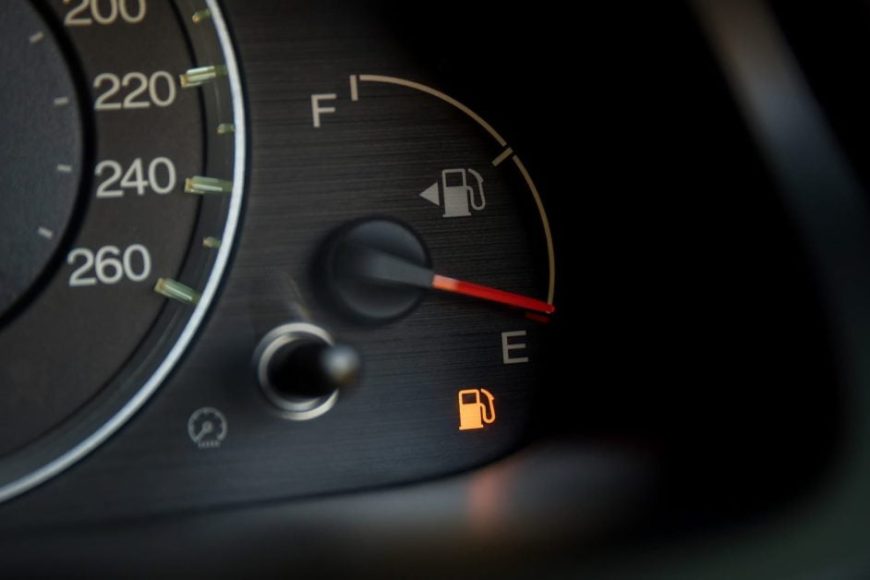
The low fuel warning light on your Jeep Compass activates when roughly 2-3 gallons remain in the tank. Most drivers can travel 30-50 miles after the light turns on, though this varies by model year, driving conditions, and habits.
Understanding exactly how far you can push your Compass helps prevent getting stranded. This guide breaks down the specifics for your vehicle.
Fuel Tank Capacity By Model Year
The Jeep Compass fuel tank size changed across generations. Knowing your tank capacity helps calculate remaining miles.
2017-2021 models feature 13.2-gallon (50-liter) tanks in some markets and 15.9-gallon (60-liter) tanks in others. The 2024-2026 Compass standardizes at 13.5 gallons across all trims—Sport, Latitude, Limited, and Trailhawk.
When the warning light activates, approximately 2-2.5 gallons remain. The fuel gauge stops providing range estimates below 30 miles, displaying dashes instead of numbers.
Real-World Distance After Warning Light
Owner experiences and testing reveal consistent patterns. A 2018 Compass owner drove 32 kilometers (20 miles) on a highway with significant elevation changes before refueling. Another 2023 Trailhawk covered 5-10 miles searching for stations after the light appeared.
The range estimate disables at approximately 30 miles remaining. This prevents drivers from relying on potentially inaccurate calculations when fuel levels drop critically low. Jeep engineers designed this cutoff to encourage immediate refueling.
Most Compass models achieve 24 city / 32 highway / 27 combined MPG. Using city economy as the conservative baseline, 2.5 gallons provides roughly 60 miles. However, real-world factors reduce this theoretical maximum to 30-50 miles safely.
Stop-and-go traffic, aggressive acceleration, cargo weight, and terrain all decrease range. Highway driving at steady speeds maximizes distance. Four-wheel-drive engagement cuts efficiency further.
Calculating Your Personal Range
You can estimate your specific remaining distance using simple math. Multiply gallons remaining by your current fuel economy.
If 2.5 gallons remain and you’re averaging 25 MPG, you have approximately 62 miles theoretically. Subtract 20-30 percent for safety margin and real-world conditions, leaving 43-50 usable miles.
Check your dashboard’s fuel economy display for accurate current MPG. Reset trip computers don’t reflect real-time conditions—use the instantaneous or recent average reading instead.
Navigation systems show the distance to the nearest gas stations. Compare this mileage to your calculated range before deciding whether to risk the drive.
Risks of Running Low on Fuel
Driving on empty damages your fuel pump. The pump sits submerged in gasoline, using fuel for cooling and lubrication. When levels drop too low, the pump overheats and wears prematurely.
Fuel pumps cost $400-$800 to replace, plus 2-4 hours of labor. This preventable repair far exceeds the inconvenience of filling up earlier.
Sediment collects at tank bottoms over the years. Normally, this debris sits harmlessly below the pump intake. Running near empty forces the pump to draw from the very bottom, sucking contaminants into fuel lines and filters.
Clogged fuel filters reduce engine performance and efficiency. Debris reaching the engine causes expensive internal damage. The fuel system wasn’t designed to process tank sediment.
Fuel starvation occurs when the pump intermittently loses prime on low tanks. The engine receives an inconsistent fuel supply, causing misfires, hesitation, and potential stalling. Stalling in traffic creates dangerous situations.
What To Do When Light Activates
Locate the nearest gas station immediately using navigation or your phone. Reduce speed to 55-60 MPH if on highways—aggressive driving drastically cuts remaining range.
Turn off non-essential electronics. Air conditioning, heated seats, and high-volume audio systems all increase engine load and fuel consumption. Climate control particularly affects small engines.
Avoid rapid acceleration and heavy braking. Smooth, gradual inputs maximize efficiency. Coast when possible rather than maintaining constant throttle.
If multiple stations exist nearby, choose one within 15-20 miles. Don’t gamble on reaching distant options to save cents per gallon.
Emergency Situations
If you won’t reach a station, pull over safely immediately. Modern engines suffer no damage from simply running out of fuel, but stalling in traffic or on high-speed roads creates collision risks.
Call roadside assistance. AAA, manufacturer programs, or independent towing services deliver emergency fuel. Two gallons typically suffice to reach proper refueling.
Keep emergency supplies in your vehicle—reflective triangles, flashlight, phone charger. These items prove invaluable during roadside situations.
Refilling after running completely dry requires special care. The fuel system contains air pockets that prevent immediate starting. Turn the key to “on” without cranking for 10-15 seconds three times before attempting to start. This primes the system and pushes air through.
Best Practices for Fuel Management
Never let your tank drop below one-quarter full. This buffer prevents emergencies and protects fuel system components.
Fill up when reaching the half-tank mark during road trips. Gas stations become sparse in rural areas—better to refuel with options available.
Track your fill-ups and mileage. Sudden efficiency drops indicate mechanical issues requiring attention. Most Compass owners average 27-30 MPG in mixed driving.
Use regular 87-octane fuel as specified. Premium grades provide zero benefit in the Compass 2.0-liter turbo and waste money.
Model-Specific Considerations
Trailhawk models show an identical range to other trims despite additional off-road equipment. The same 13.5-gallon tank and 2.0-liter engine provide consistent economy.
Older 2.4-liter naturally aspirated models (2017-2022) achieve slightly different MPG. These engines average 22 city / 31 highway, affecting calculations slightly.
All-wheel-drive Compass models consume marginally more fuel than front-drive versions. Expect 1-2 MPG reduction in real-world driving.
The plug-in hybrid 4xe variant features different fuel dynamics entirely. Electric range supplements gasoline, complicating empty-tank scenarios.
The Bottom Line
Your Jeep Compass provides 30-50 miles after the gas light activates under normal conditions. Highway driving in moderate weather maximizes this range, while city traffic and extreme temperatures reduce it.
Never rely on squeezing maximum distance from empty tanks. The risk of fuel pump damage, getting stranded, and potential safety issues far outweigh any perceived convenience.
Refuel when you reach one-quarter tank. This simple habit eliminates range anxiety, protects your vehicle, and prevents costly repairs or dangerous roadside situations.