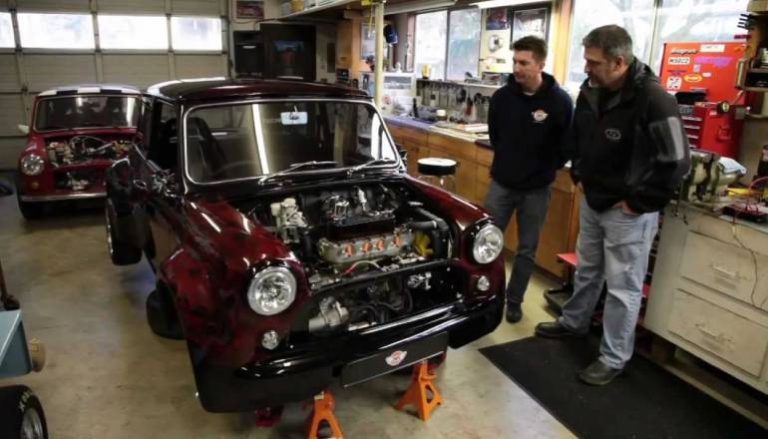
How to Make a Mini Cooper Faster: 7 Proven Mods for More HP and Handling

Want to transform your Mini Cooper into a pocket rocket? You’re in the right place.
The Mini Cooper has always been about fun over pure speed. But with the right modifications, you can unlock serious performance potential. The easiest gains come from intake upgrades and ECU tunes, delivering 20-50 extra horsepower safely. More aggressive mods like turbo swaps can push power beyond 100+ HP.
Different Mini models respond differently to modifications. The Cooper S, with its turbocharged engine, offers the best bang for your buck. Base Cooper models need more work for similar gains.
You’ll need basic hand tools for most mods. Socket sets, wrenches, and screwdrivers handle 90% of installations. Advanced upgrades might require professional help.
Fair warning: Performance modifications can void your warranty. They may also affect emissions compliance in your area. Always research local regulations before starting any build.
This guide covers seven proven modifications in order of difficulty and impact. We’ll start with simple bolt-ons and progress to advanced engine work. Each step includes realistic power gains, common mistakes to avoid, and pro tips from experienced builders.
Ready to make your Mini Cooper properly quick? Let’s dive in.

credit: Youtube.com
Assess Your Mini Cooper Model and Baseline Performance
Know what you’re working with before spending money.
Different Mini generations respond differently to modifications. The R56 Cooper S (2007-2013) loves turbo upgrades. F56 models (2014+) benefit more from ECU tuning. Base Cooper models with naturally aspirated engines need forced induction for serious gains.
Stock horsepower varies significantly by model:
- Cooper base: 134 HP
- Cooper S: 189 HP
- John Cooper Works: 228 HP
Cooper vs. S vs. JCW Differences
The Cooper S is the sweet spot for modifications. Its N18 turbo engine responds well to basic mods. JCW models already push the limits of stock internals. Base Coopers need major work for meaningful gains.
Test your current 0-60 time and quarter-mile performance. This gives you baseline numbers for measuring improvements. A stock Cooper S typically runs 0-60 in 6.5 seconds.
Ensure your Mini is mechanically sound first. Fix any existing issues before adding power. How much horsepower does a Tesla have? provides context on how Mini Power compares to modern EVs.
Step 1: Install a Cold Air Intake
Start with the lungs of your engine.
A cold air intake replaces the restrictive stock airbox with a high-flow system. It allows your engine to breathe better by drawing cooler, denser air. This simple modification typically adds 5-10 horsepower with improved throttle response.
Popular options include K&N and AEM systems. These cost $200-400 and install in 30-60 minutes. No tuning required for basic gains.
Installation steps:
- Disconnect the battery’s negative terminal
- Remove the stock airbox and intake tube
- Install the new filter and housing
- Connect all vacuum lines and sensors
- Secure everything with the provided clamps
Common mistakes to avoid: Using universal kits instead of model-specific ones. This causes fitment issues and check engine lights. Always verify compatibility with your exact year and engine code.
The performance gain is modest but noticeable. Expect crisper acceleration and a sportier intake sound. This mod pairs perfectly with exhaust upgrades in the next step.
Quality intakes use reusable filters that last for years. Clean them every 10,000-15,000 miles with manufacturer cleaning kits. Oiled filters work better but require more maintenance than dry filters.

credit: https://www.autosport.com/
Step 2: Upgrade to Performance Exhaust or Downpipe
Free up the breathing on the back end.
Performance exhaust systems reduce backpressure that robs power from your engine. A quality cat-back system adds 10-15 horsepower with an aggressive sound. Downpipe upgrades on turbocharged models deliver even bigger gains.
Cat-back exhaust options:
- Milltek Sport: Premium quality, great sound
- Borla ATAK: Aggressive tone, drone-free
- Injen: Budget-friendly, decent performance
Downpipes make the biggest difference on Cooper S models. They replace the restrictive catalytic converter section with high-flow alternatives. Expect 15-25 horsepower gains when combined with tuning.
Installation process:
- Lift the car safely on ramps or jackstands
- Remove the stock exhaust components
- Install new sections starting from the engine back
- Use the provided gaskets and hardware
- Check for leaks after the first drive
Critical mistake: Ignoring emissions regulations in your area. Catless downpipes are illegal for street use in many states. High-flow catalytic versions maintain compliance while still adding power.
Professional installation costs $200-500, depending on complexity. DIY installation saves money but requires proper tools and safety equipment. Never work under a car supported only by a jack.
The sound change is dramatic but not overwhelming. Quality systems eliminate drone at highway speeds. You’ll hear turbo whoosh and wastegate sounds much clearer. Hi-flow discharge pipe upgrades complement exhaust mods perfectly.
Stainless steel systems last longer than mild steel alternatives. They resist corrosion and maintain appearance over time. Budget an extra $100-200 for quality materials.
Step 3: ECU Tune or Remap
Unlock your engine’s hidden potential with software.
ECU tuning delivers the biggest bang for your buck on turbocharged Minis. Professional remaps optimize fuel delivery, boost pressure, and ignition timing. The result? 30-80 additional horsepower, depending on supporting modifications.
Popular tuning platforms:
- Bootmod3: DIY-friendly, proven results
- Burger Motorsports JB4: Piggyback system, warranty-friendly
- Dinan: Dealer-approved in some cases
The process involves connecting a laptop to your car’s OBD port. Tuning software rewrites the engine management parameters. Most sessions take 30-60 minutes at a professional shop.
Stage progression approach:
- Stage 1: Software only, +30-40 HP
- Stage 2: Software + intake/exhaust, +50-60 HP
- Stage 3: Software + turbo upgrade, +80+ HP
Never jump straight to aggressive tunes without supporting modifications. Your engine needs proper airflow and fuel delivery to handle extra power safely. Pushing too hard on stock hardware causes expensive failures.
Common tuning mistakes:
- Skipping supporting mods like upgraded fuel pumps
- Using generic maps instead of custom dyno tunes
- Ignoring the knock sensors and running on poor fuel
- Not monitoring air-fuel ratios during tuning
Professional dyno tuning costs $500-800 but delivers custom results. The tuner adjusts parameters based on your specific modifications and goals. This approach maximizes power while maintaining reliability.
Off-the-shelf maps work well for common modification combinations. They cost $200-400 and are installed at home. Research the tuner’s reputation and customer feedback before purchasing.
Monitor engine parameters after tuning. Watch for knock, high exhaust temperatures, and lean air-fuel ratios. A quality tune should improve drivability, not hurt it.
Step-by-step MINI ECU tuning guide provides visual instruction for the Bootmod3 process.
Step 4: Turbo/Supercharger Upgrade
Time for serious power gains.
Turbo upgrades deliver the most dramatic power increases for Cooper S models. A larger turbocharger flows more air, supporting 50-100+ additional horsepower. Popular choices include the Garrett GT2860RS and larger K04 variants.
Turbo upgrade considerations:
- Larger turbos add lag but more peak power
- Hybrid turbos balance response and output
- Ball bearing units spool faster than journal bearings
- Water/oil cooling prevents premature failure
Essential supporting modifications:
- High-pressure fuel pump (HPFP) upgrade
- Larger fuel injectors for proper fueling
- Front-mount intercooler for charge cooling
- Upgraded intake system for airflow
Installation complexity:
This modification requires significant mechanical skill. Expect 8-12 hours of labor removing the engine or working from below. Most enthusiasts choose professional installation costing $1,500-2,500.
Common mistakes that cause engine damage:
- Running aggressive boost without fueling upgrades
- Skipping intercooler upgrades is causing high inlet temps
- Poor oil supply lines leading to turbo failure
- Ignoring supporting modifications like valve springs
For supercharged R53 Minis, pulley upgrades offer similar results. Smaller pulleys spin the supercharger faster, increasing boost pressure. This simple modification adds 15-30 horsepower for $200-400.
The power delivery changes dramatically with turbo upgrades. Expect stronger mid-range torque and higher top-end power. Lag increases slightly, but modern turbos minimize the effect.
World-class MINI performance parts offer complete turbo upgrade packages with all supporting components.
Weight considerations matter too. How much does a Tesla weigh? shows how vehicle weight affects acceleration with any power level.
Budget $3,000-5,000 for a complete big turbo setup, including installation and tuning. The investment transforms your Mini into a legitimate performance car.
Step 5: Improve Handling with Tires and Suspension
Power means nothing without grip.
Performance tires make an immediate difference in cornering ability and acceleration. Sticky rubber helps put power down effectively. Summer compounds like Michelin Pilot Sport 4S or Continental ExtremeContact DWS06 transform handling.
Tire sizing guidelines:
- Stock: 195/55R16 or 205/45R17
- Performance: 225/40R18 maximum without fender modifications
- Track: 245 width possible with proper wheel offsets
Suspension upgrade options:
- Lowering springs: $200-400, improved appearance
- Coilovers: $800-1,500, adjustable height and damping
- Sway bars: $300-600, reduced body roll
Coilover systems provide the most tuning flexibility. Adjust ride height, compression, and rebound damping for different driving conditions. Popular brands include KW Variant 3, Bilstein PSS10, and BC Racing.
Installation requirements:
- Spring compressor for safe disassembly
- Proper torque specifications for suspension bolts
- Professional alignment after installation
- Corner weight balancing for optimal handling
Wheel considerations:
Lightweight wheels reduce unsprung weight for better acceleration and handling. Forged options from BBS, Enkei, or OZ Racing save 3-5 pounds per corner. This improves throttle response and braking performance.
Critical mistake: Installing wheels without proper offset and clearance checking. Incorrect fitment causes tire rub on fenders or suspension components.
Proper tire pressure becomes crucial with performance tires. Check tire pressure efficiently using digital gauges for accuracy.
The handling transformation rivals engine modifications for driver satisfaction. Your Mini will corner flatter with less understeer. Grip levels increase dramatically in dry conditions.
Essential Mini Cooper handling mods cover additional suspension tuning options.
Step 6: Brake Upgrades for Safe Speed
Stop as well as you go.
Increased power demands better braking performance. Stock brakes fade quickly under aggressive driving or track use. Upgraded pads, rotors, and fluid handle the extra performance safely.
Brake upgrade progression:
- Performance pads: $150-300, immediate improvement
- Slotted/drilled rotors: $200-400, better heat dissipation
- Big brake kit: $1,500-3,000, maximum stopping power
High-performance brake pads like Hawk HPS or EBC Redstuff provide better bite and fade resistance. They generate more dust but stop at shorter distances. Track pads require warm-up but offer incredible performance.
Installation steps:
- Remove wheels and locate brake calipers
- Compress caliper pistons safely with proper tools
- Install new pads with anti-squeal compound
- Replace rotors if worn or upgrade
- Bleed brake system with fresh DOT 4 fluid
Common mistake: Forgetting to bed in new brake components properly. This process transfers friction material to rotors for optimal performance. Follow the manufacturer’s bedding procedures exactly.
Stainless steel brake lines improve pedal feel by eliminating rubber expansion under pressure. They cost $100-200 and install easily with basic tools.
Big brake kits from Brembo, Wilwood, or StopTech handle serious track duty. Larger rotors and multi-piston calipers provide incredible stopping power. Installation requires wheel clearance verification.
Fresh brake fluid matters more than most realize. DOT 4 fluid handles higher temperatures than DOT 3. Change it annually for a consistent pedal feel. Moisture absorption degrades performance over time.
The confidence increase from proper brakes enables you to use all available power safely.
Step 7: Advanced Mods and Tuning Validation
Maximize reliability with proper validation.
Professional dyno testing validates your modifications and identifies potential issues. Rolling road dynos measure wheel horsepower and torque curves accurately. This data guides final tuning adjustments for optimal performance.
Advanced supporting modifications:
- Upgraded intercooler piping for reduced pressure loss
- Port injection for E85 fuel compatibility
- Forged internals for high boost applications
- Valve spring upgrades for increased RPM limits
Fuel system considerations:
E85 ethanol fuel supports higher boost levels safely. It burns cooler and resists knock better than pump gasoline. Fuel system upgrades handle the increased flow requirements.
Engine internals timeline:
Stock engines handle moderate power increases reliably. Beyond 250 wheel horsepower, consider forged pistons and connecting rods. The N18 engine responds well to internal upgrades.
Dyno session benefits:
- Accurate power measurement vs. estimated gains
- Air-fuel ratio optimization across the RPM range
- Ignition timing verification for maximum output
- Detection of potential reliability issues
Critical validation mistake: Pushing RPM limits without upgraded valve springs. Stock springs cause valve float at high RPM, leading to expensive engine damage.
Data logging during street driving reveals real-world performance. Monitor knock sensors, exhaust temperatures, and boost pressure. This information guides conservative tuning for daily driving.
Professional engine builders recommend gradual power increases over time. This approach identifies weak points before catastrophic failures occur.
The most reliable builds balance power goals with component limitations. A 300-horsepower Mini Cooper S requires significant internal modifications for longevity.
Pro Tips, Tools, and Common Pitfalls
Learn from experienced builders’ mistakes.
Essential tools for DIY modifications:
- Quality socket set with metric sizes
- Torque wrench for critical fasteners
- OBD-II scanner for diagnostic codes
- Digital multimeter for electrical issues
Always disconnect the battery before electrical work. This prevents airbag deployment and computer damage. Wait 15 minutes after disconnection for capacitor discharge.
Professional installation recommendations:
- Turbo upgrades (complexity and cost of mistakes)
- ECU tuning (engine damage risk with bad maps)
- Suspension alignment (safety and tire wear)
- Any modification you’re uncomfortable performing
Budget planning wisdom:
Plan for 20-30% cost overruns on any project. Hidden problems emerge during installation. Having extra budget prevents project delays.
Warranty considerations:
Document all modifications with receipts and photos. Some dealers void warranties completely, while others evaluate on a case-by-case. Research your dealer’s policy before starting.
How to turn off regenerative braking shows how different braking systems work, relevant for brake upgrades.
Insurance implications:
Notify your insurance company about major modifications. Undisclosed changes can void coverage after accidents. Performance modifications may increase premiums.
Safety gear saves lives during installation. Jack stands, not floor jacks, support vehicles. Safety glasses protect from debris and fluids.
Frequently Asked Questions
u003cstrongu003eHow much horsepower can I safely add to my Mini Cooper S?u003c/strongu003e
Stock N18 engines handle 250-280 wheel horsepower reliably with proper supporting modifications. Beyond this requires forged internals for longevity.
u003cstrongu003eAre performance modifications legal in all states?u003c/strongu003e
Emissions regulations vary by location. California has the strictest rules regarding catalytic converter modifications. Research local laws before removing emissions equipment.
u003cstrongu003eWill modifications void my warranty completely?u003c/strongu003e
The Magnuson-Moss Warranty Act prevents blanket warranty denials. Dealers must prove modifications caused specific failures. Document everything and know your rights.
u003cstrongu003eWhat’s the best first modification for a beginner?u003c/strongu003e
Cold air intake provides noticeable improvement with minimal risk. It’s reversible and teaches basic automotive modification skills safely.
u003cstrongu003eHow often should I service a modified Mini Cooper?u003c/strongu003e
Increase service intervals by 25-50%, depending on power levels. Monitor oil condition more frequently. High-performance engines demand better maintenance.
Conclusion
Your Mini Cooper can become a serious performance machine with the right modifications.
Start with intake and exhaust upgrades for immediate gains. Add ECU tuning when ready for serious power increases. Advanced builders can achieve 300+ horsepower with turbo upgrades and supporting modifications.
Tesla horsepower comparison puts your modified Mini’s performance in perspective against modern EVs.
Take your build to track days for proper testing. That’s where you’ll truly appreciate the transformation from stock grocery-getter to canyon carver.